
In Malawi, the conversation around sexual and reproductive health and rights (SRHR) is not just about policy it is about lives, dignity, and the future of our nation’s young people. Despite progress in health reforms, unsafe abortion remains a pressing public health challenge, contributing significantly to maternal morbidity and mortality. This reality underscores the urgency of constructive dialogue and evidence-based decision-making at the highest levels of governance.
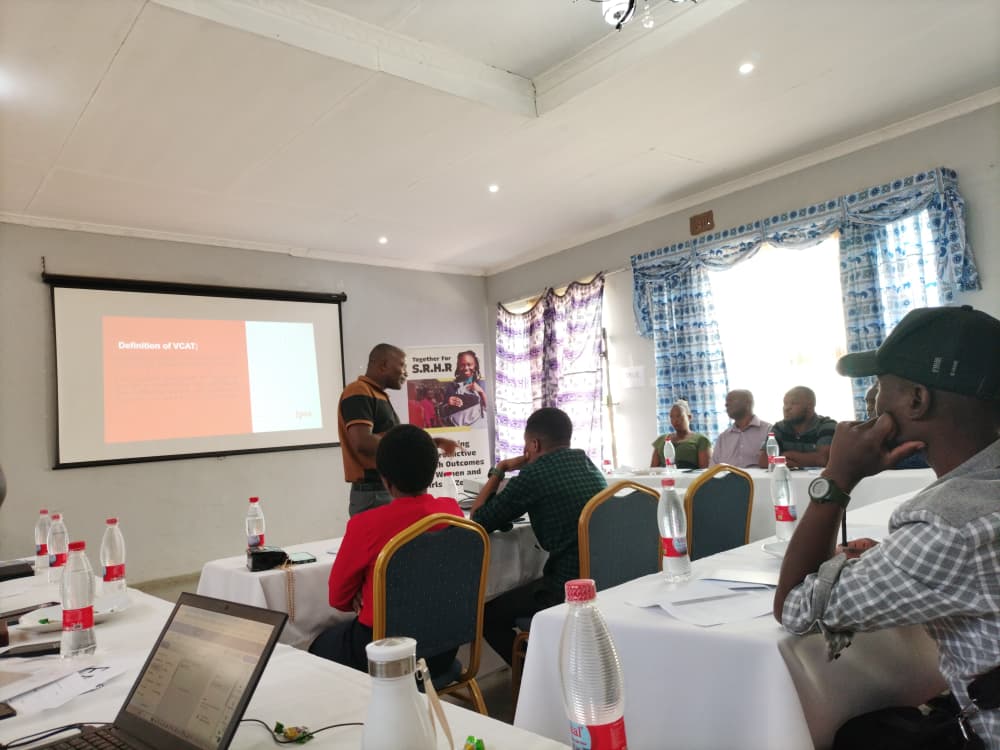
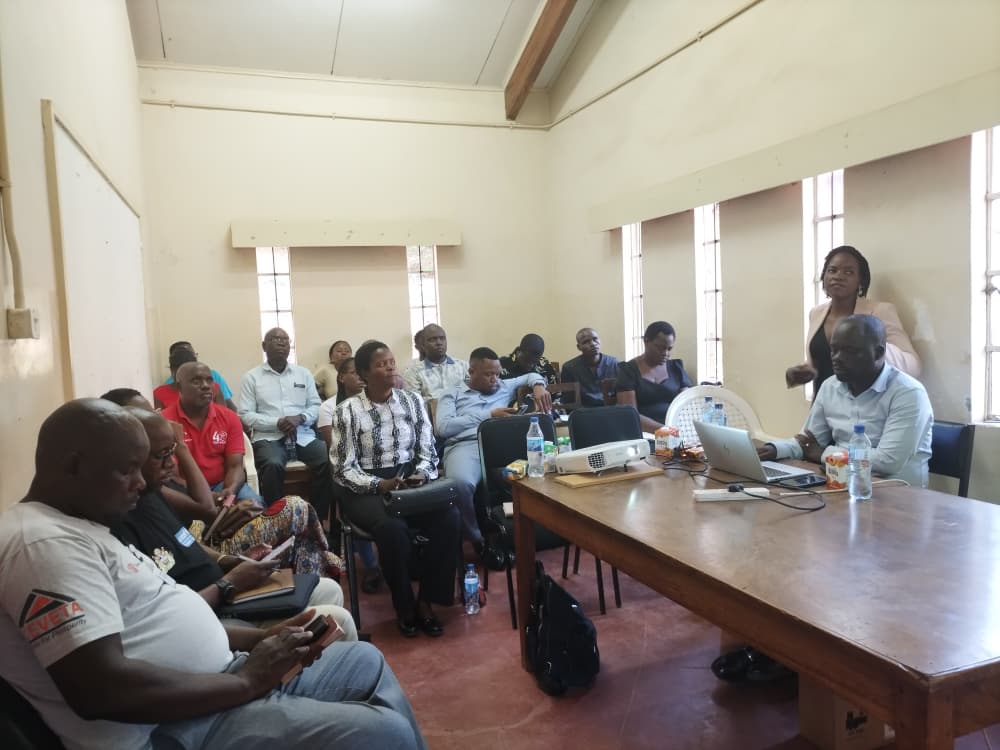
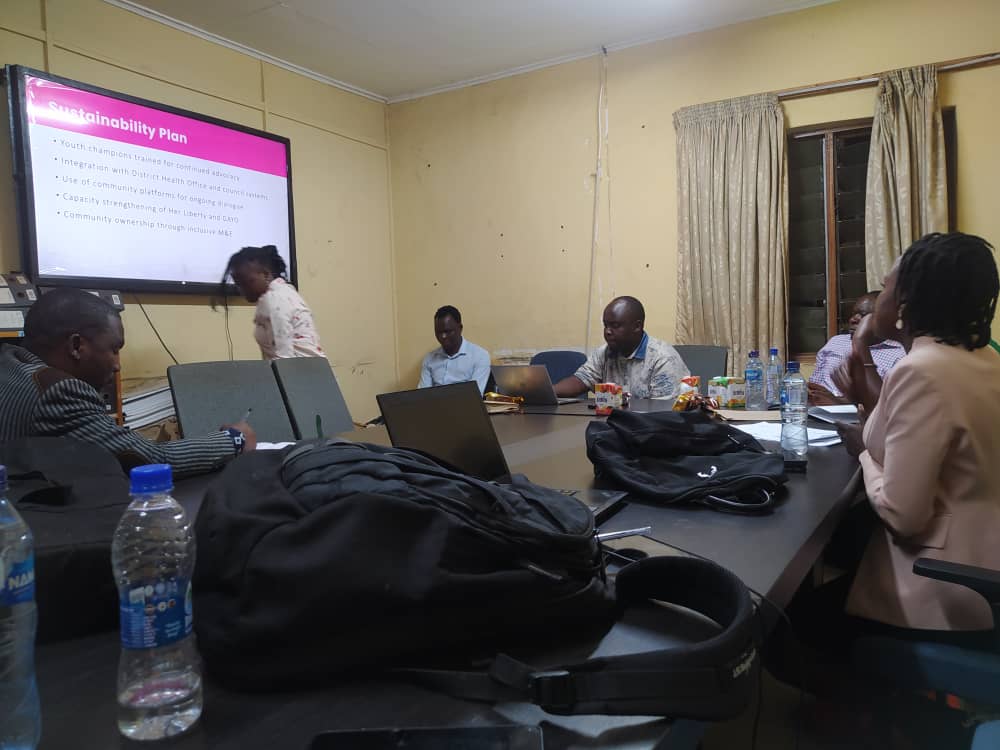
On 1st April 2026, the Coalition for the Prevention of Unsafe Abortion (COPUA) convened a Values Clarification and Action for Transformation (VCAT) session with Members of the Parliamentary Health Committee at BICC in Lilongwe. This landmark engagement sought to create a safe, reflective space for policymakers to examine how personal values, cultural norms, and institutional attitudes intersect with public health responsibilities and legal obligations. GAYO had the privilege to attend this important meeting, adding youth voices and perspectives to the dialogue and reinforcing the role of young people in shaping inclusive health policies.
Malawi has made notable strides in advancing SRHR policy frameworks. From the Termination of Pregnancy Bill to the 2020 Post Abortion Care Standards and Guidelines, and even judicial rulings mandating safe abortion services for minors who are survivors of rape, the momentum for reform is undeniable. Yet, abortion law reform remains a sensitive and contested issue, often clouded by misconceptions and socio-cultural resistance. The VCAT session was designed to cut through these barriers by enhancing understanding of the health burden caused by unsafe abortion, reflecting on values and how they shape policy perspectives, addressing myths and misconceptions surrounding abortion and adolescent pregnancy, promoting evidence-based dialogue on strategies to reduce maternal deaths, and encouraging constructive parliamentary engagement toward law reform.
By the end of the session, Members of Parliament were better positioned to appreciate the intersection of health, law, and human rights in tackling maternal mortality. They engaged in balanced, informed dialogue on abortion law reform, strengthened their leadership role in shaping SRHR policies, and committed to developing a positive Parliamentary Health Committee position paper on comprehensive abortion care. This position paper will serve as a critical tool in guiding legislative dialogue and advancing reforms that protect women’s health and lives.
The initiative is not happening in isolation. It directly supports Malawi’s commitments under the Malawi 2063 Development Aspirations, the Health Sector Strategic Plan III (2023–2030), the National SRHR Policy, the SADC SRHR Strategy, and the Sustainable Development Goals, particularly SDG 3 on Good Health and Well-Being and SDG 5 on Gender Equality. By fostering informed legislative engagement, Malawi is taking bold steps toward reducing maternal mortality and ensuring equitable access to quality health services for women and girls.
Reducing maternal mortality is not just a health priority it is a moral imperative. Unsafe abortion is preventable, and addressing it requires courage, compassion, and commitment from all stakeholders. The VCAT session with the Parliamentary Health Committee represents a pivotal moment in Malawi’s journey toward safeguarding the health and dignity of women and girls. For GAYO, being part of this engagement was both a privilege and a responsibility, as it reaffirmed the importance of youth participation in shaping national health priorities. This moment serves as a reminder that transformative change begins with dialogue, reflection, and action. Together, we can build a Malawi where every woman and girl has the right to safe, dignified, and comprehensive reproductive health care.