Girls Activist Youth Organisation (GAYO) is implementing community awareness sessions through interactive theatre performances in Malawi in partnership with Disabled Women in Africa (DIWA). These activities are carried out under the project “Increasing Awareness about the Rights of Women with Disabilities in Malawi (IARWM),” which is funded by the German Federal Ministry for Economic Cooperation and Development (BMZ) through GIZ under the African Union AWARE Project, within the programme Rights and Dignity of Persons with Disabilities. The project aims to advance human rights, promote gender equality, and strengthen disability inclusion, particularly at the grassroots level in Malawi.
The IARWM project recognises that women and girls with disabilities in Malawi continue to face multiple and intersecting forms of discrimination, including social exclusion, limited access to essential services, and heightened vulnerability to gender-based violence. These challenges are often compounded by stigma, poverty, and limited access to information on their rights. The IARWM project responds to these realities by promoting community-based awareness and practical interventions that address both rights and dignity.
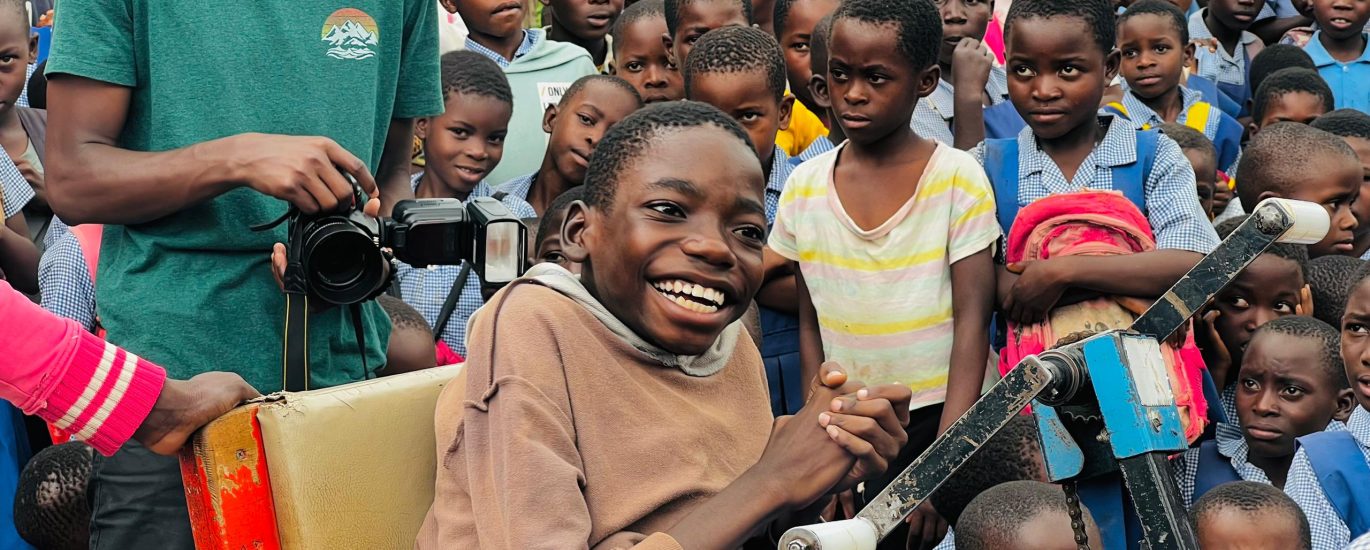
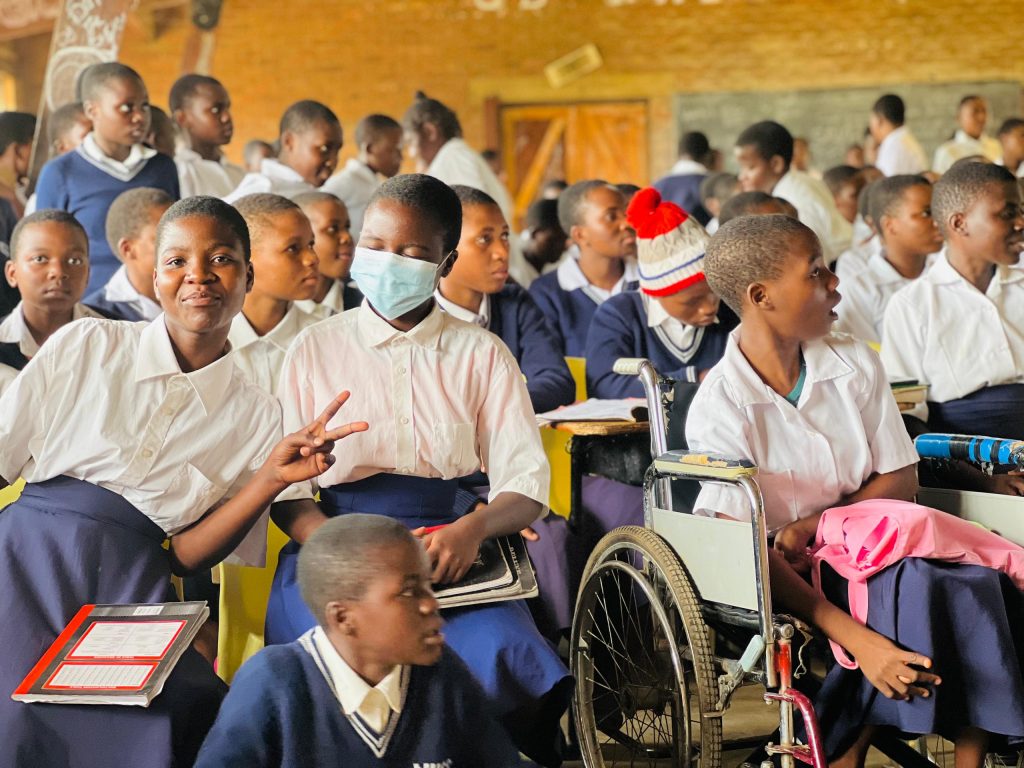
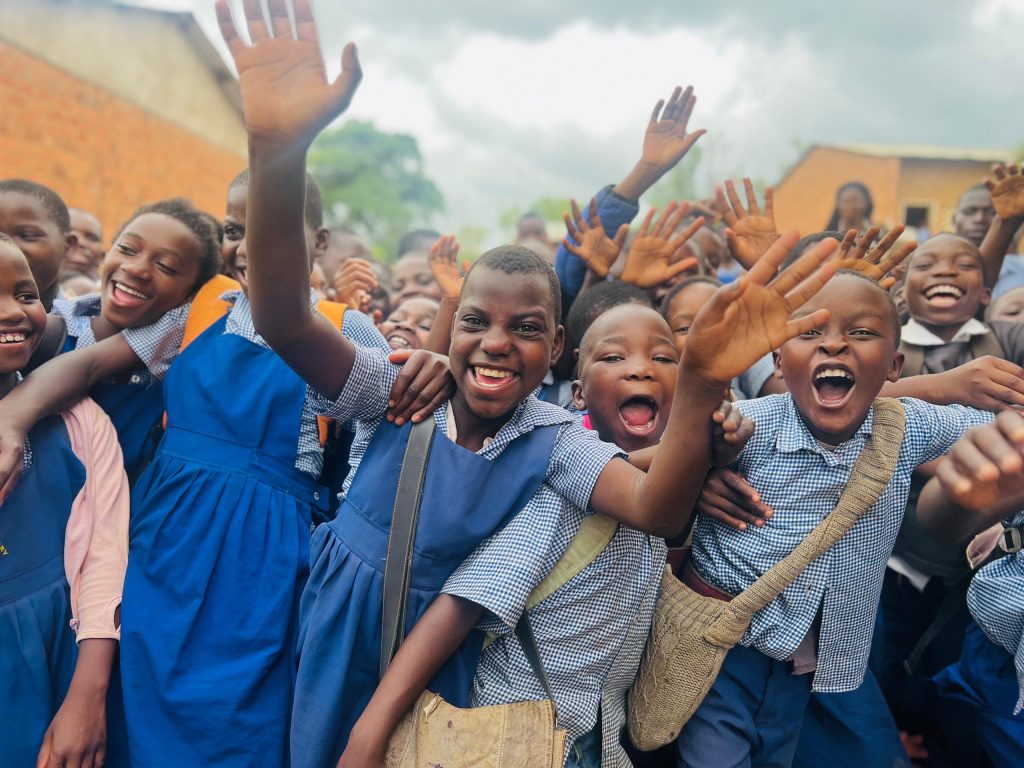
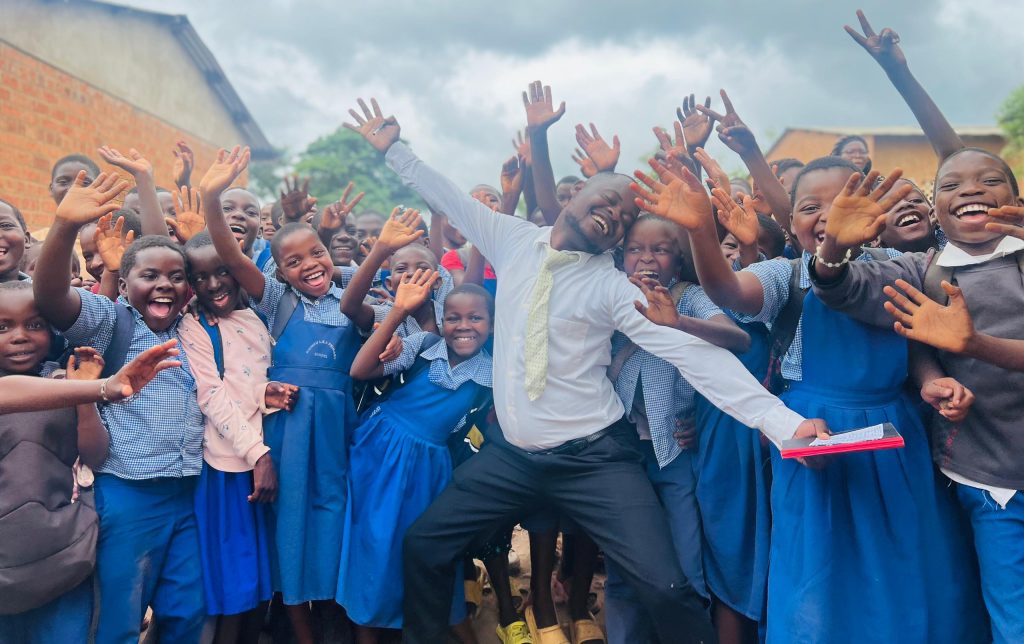
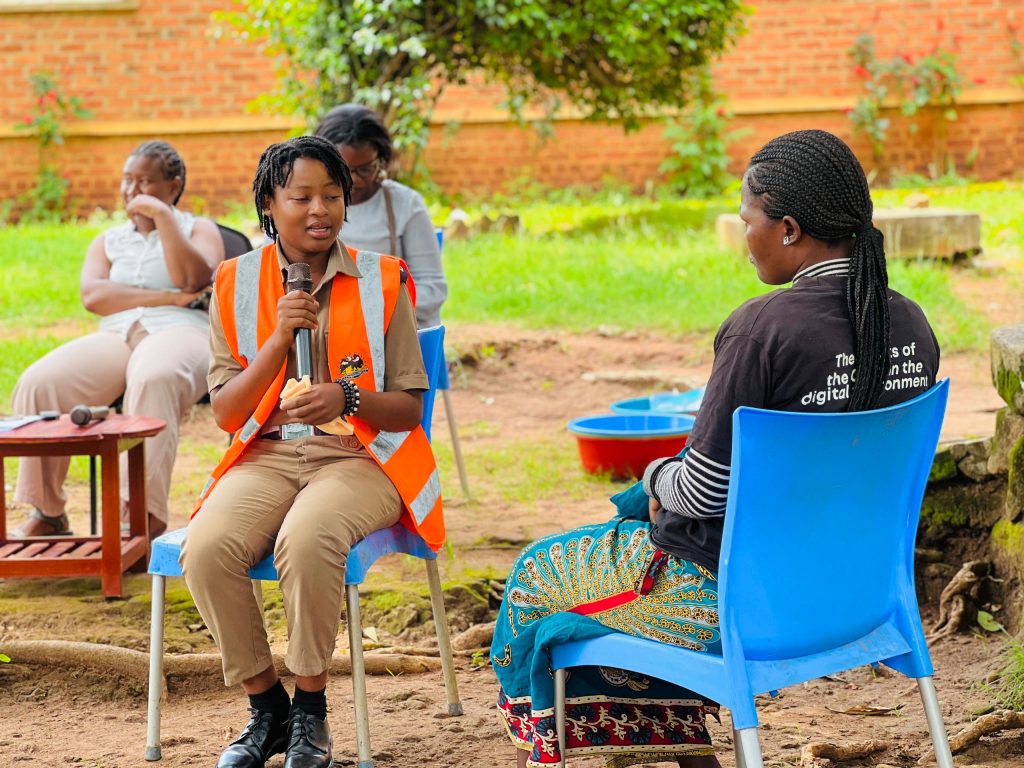
As part of this initiative, DIWA has engaged GAYO to conduct community awareness sessions in the districts of Mzuzu, Lilongwe, and Ntcheu using interactive theatre as a participatory and culturally appropriate approach. Through dramatized scenarios, role plays, and facilitated discussions, the performances engage diverse audiences including community members, Police officers, learners in both primary and secondary schools, and traders and customers in marketplaces in open dialogue on the rights of women and girls with disabilities, gender equality, inclusion, and the prevention of discrimination and gender-based violence. This inclusive approach encourages reflection across different segments of society, challenges harmful social norms, strengthens accountability among duty bearers, and promotes positive behavior change at community level.
The awareness sessions focus on promoting gender equality and the inclusion of women and girls with disabilities in social, economic, and community life. They also address the prevention of discrimination and gender-based violence by increasing understanding of the specific risks faced by women with disabilities and highlighting the responsibility of communities to protect and uphold their rights. By creating safe spaces for dialogue, the sessions enable community members to question stereotypes, confront stigma, and identify practical actions to support women with disabilities.
Implementation of the community awareness sessions is carried out in close collaboration with local leaders and Organizations of Persons with Disabilities (OPDs). Local leaders play a critical role in influencing attitudes, mobilizing communities, and reinforcing positive social change, while OPDs ensure that the perspectives and lived experiences of persons with disabilities are meaningfully integrated into the discussions. This collaborative approach strengthens community ownership and contributes to more sustainable and inclusive outcomes.
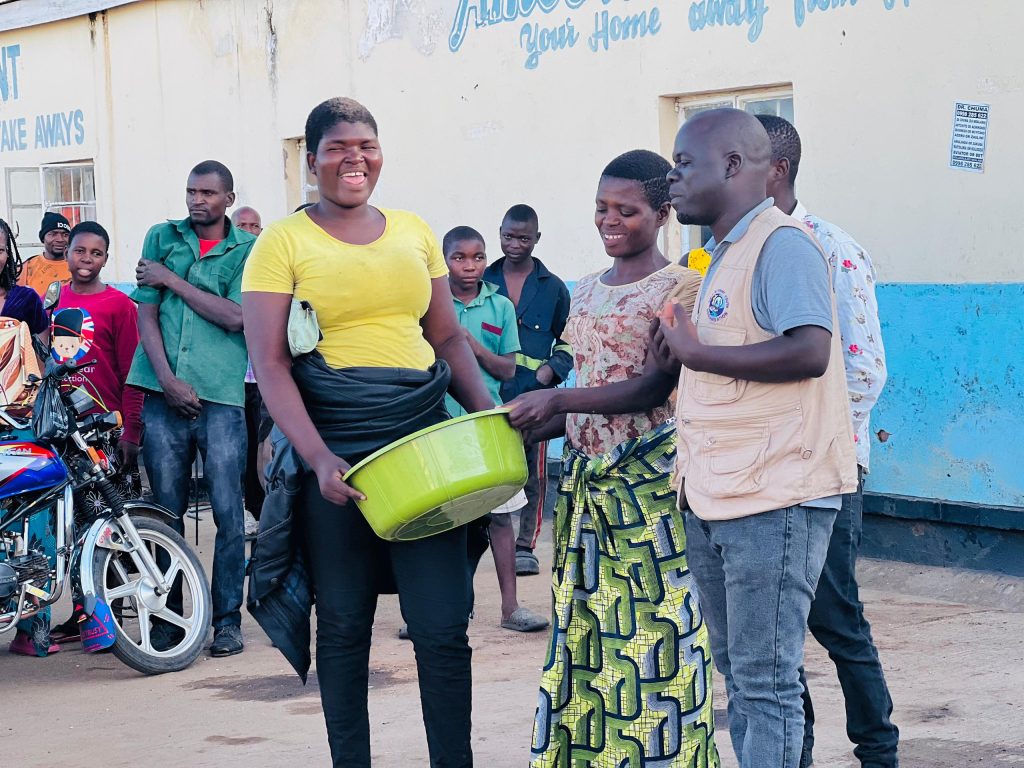
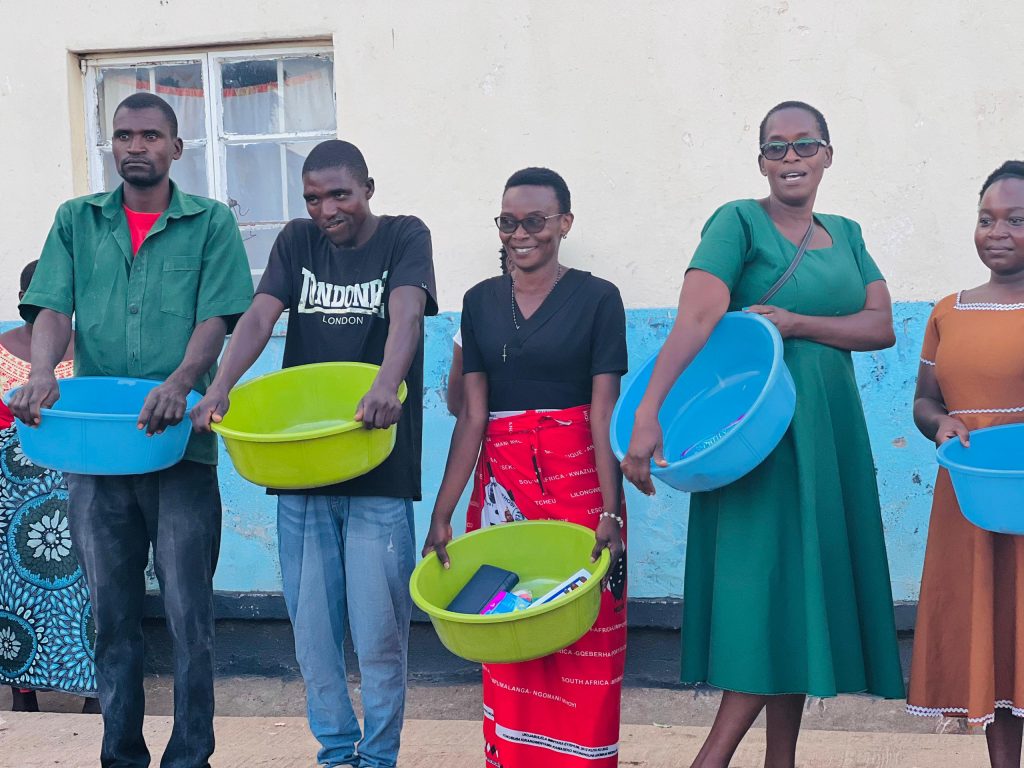
Results and Impact The community awareness initiative has exceeded its original targets. While the project initially aimed to reach 20,000 community members, the interactive theatre performances have reached significantly more people across the three districts, demonstrating strong community interest and engagement. In addition, 100 dignity kits have been distributed to women and girls with disabilities, providing immediate practical support while strengthening awareness on menstrual health, dignity, and inclusion. The high turnout and active participation during the sessions highlight the effectiveness of interactive theatre as a tool for community mobilization and rights-based education.
A Moment from the Community During one of the performances, the actors paused mid-scene and invited the audience to respond to a situation depicting discrimination against a woman with a disability. What followed was a powerful exchange: community members stood up to challenge the behavior shown in the play, while local leaders reflected on how such attitudes exist in real life. A young woman with a disability later shared that it was the first time she had seen her experiences represented publicly and discussed openly. When dignity kits were distributed at the end of the session, the atmosphere shifted from discussion to action, leaving participants with a shared sense of responsibility to protect dignity, promote inclusion, and uphold the rights of women and girls with disabilities in their community.
The community awareness sessions are implemented in close collaboration with local leaders and Organizations of Persons with Disabilities (OPDs). Local leaders play a vital role in mobilizing community members and reinforcing key messages, while OPDs ensure that the voices, experiences, and leadership of persons with disabilities remain central to the initiative. This collaborative approach strengthens community ownership and promotes the sustainability of project outcomes.
Through this initiative, GAYO, with in partnership with DIWA and funding from GIZ, is contributing to national and regional efforts to promote the rights and dignity of women and girls with disabilities in Malawi. By combining creative community engagement, practical support, and strong partnerships, the project is helping to build informed, inclusive, and supportive communities where women and girls with disabilities are respected, protected, and empowered to fully enjoy their rights.