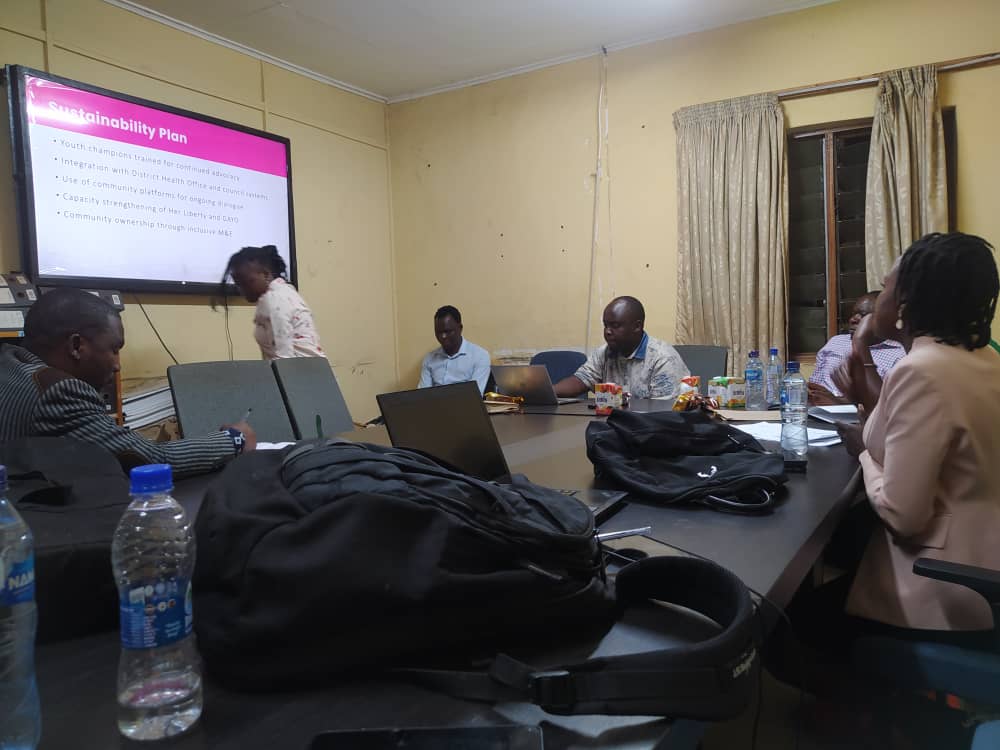
In the heart of Zomba’s Traditional Authority (T/A) Malemia, Her Liberty and GAYO have been implementing a transformative reproductive health initiative in Zomba’s Traditional Authority Malemia under the Amplify Change Pamoja Grant. Running from June 2024 to July 2025, the project aimed to enhance awareness, access, and advocacy around Sexual and Reproductive Health and Rights (SRHR) for young people, women, girls, and community leaders. This initiative brought together youth groups, district governance structures, the Zomba District Health Office, tertiary institutions, media practitioners, and community influencers, creating a strong foundation for long-term change. Through improved Monitoring & Evaluation systems, youth volunteer capacity building, and strengthened communications strategies, the project established credibility and sustainability within the SRHR advocacy landscape.
One of the most impactful components of the project was the use of media to amplify SRHR awareness. Nine journalists received training in SRHR reporting, which led to four national radio programs produced in partnership with YONECO and seven SRHR-focused stories that reached listeners across five districts. These media engagements generated meaningful responses, demonstrating a growing public interest and strengthening national discourse around SRHR issues. The project also invested heavily in youth empowerment. Fifteen youth leaders were trained in SRHR literacy, psychosocial support, and referral processes, and their influence spread organically to 30 more young people. Ten community dialogues involving more than 300 participants created safe spaces for meaningful conversations, while sports activities successfully attracted more youth and encouraged engagement in sensitive discussions.
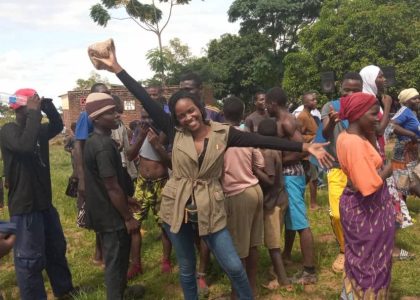
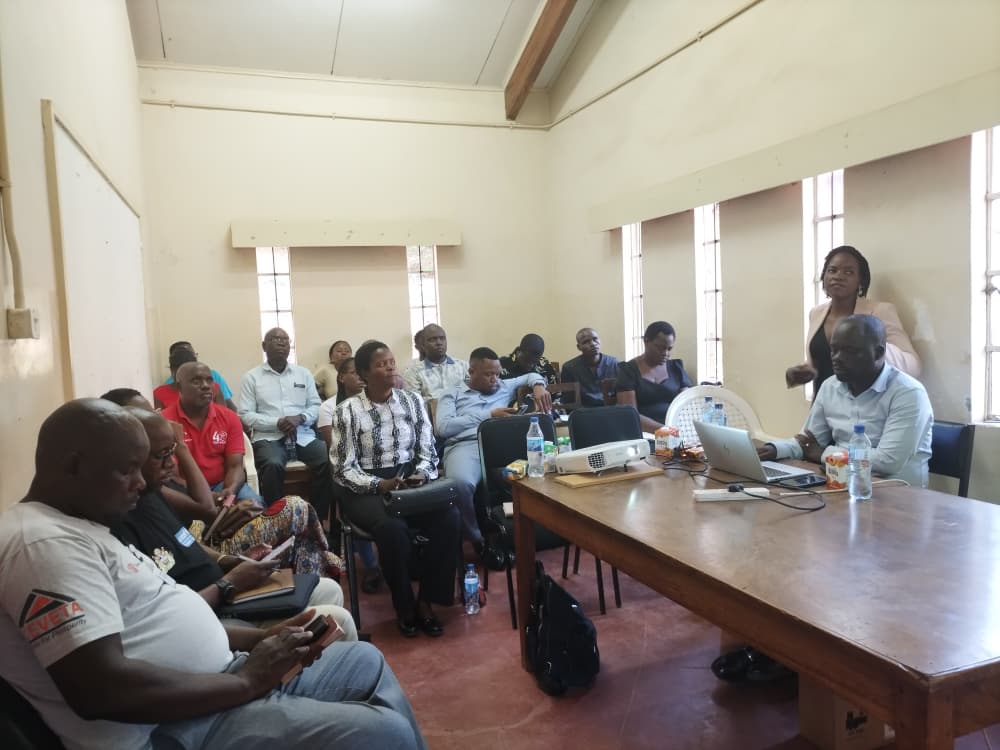
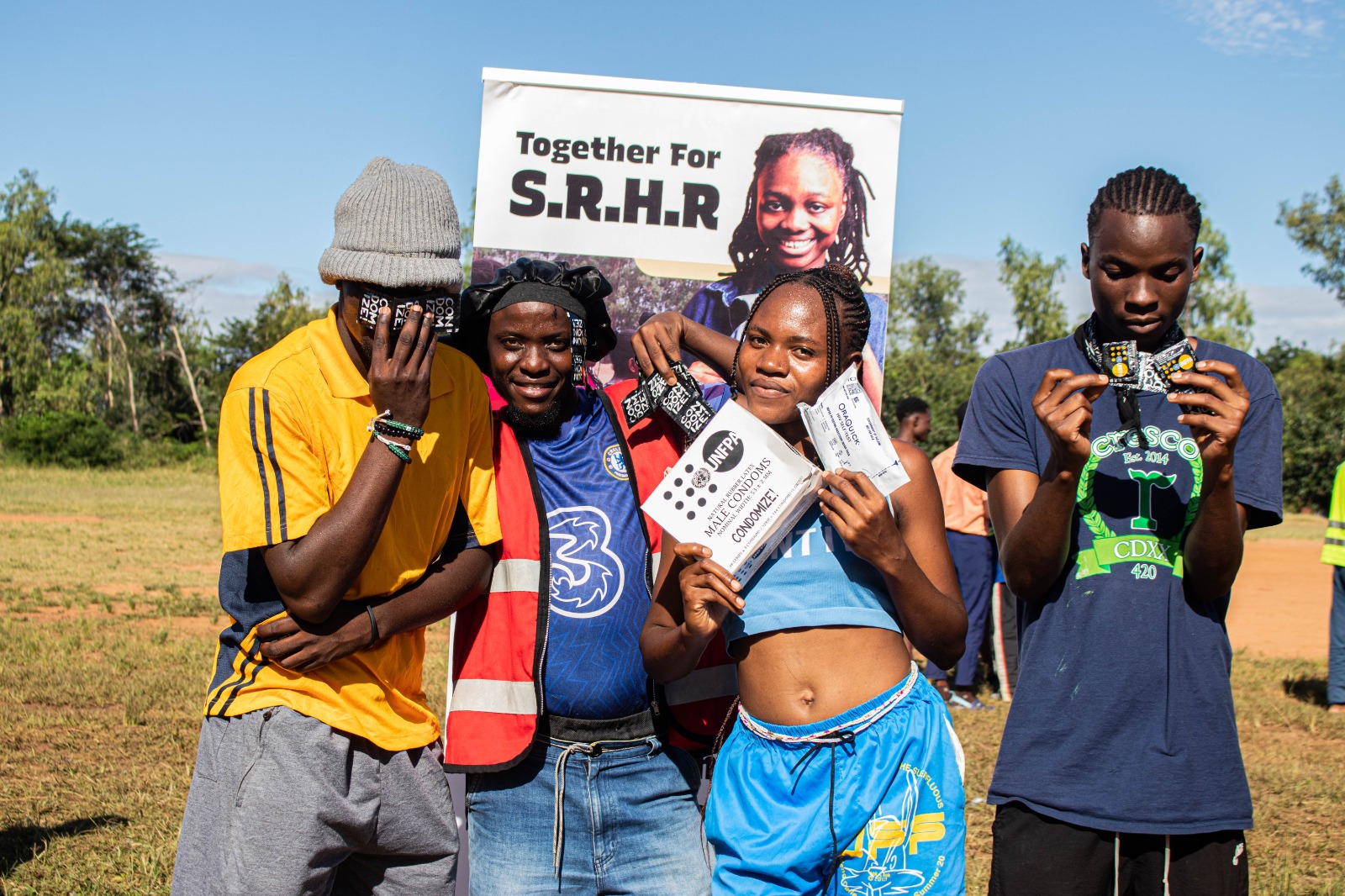
A significant achievement emerged through community mobilization and leadership engagement. Although the initial target was to engage 50 community and religious leaders, the project exceeded expectations, working with 115 leaders who later became active SRHR advocates. Their involvement even contributed to the development of local bylaws addressing early pregnancies and unsafe abortions, demonstrating the power of community-led action. The collaboration with the Zomba District Health Office further strengthened service delivery, enabling the project to organize two major SRHR outreach fairs that reached 1,091 people. Attendees accessed essential services such as family planning, HIV testing, STI treatment, cervical cancer screening, and post-abortion care information, greatly improving SRHR service uptake in underserved communities.
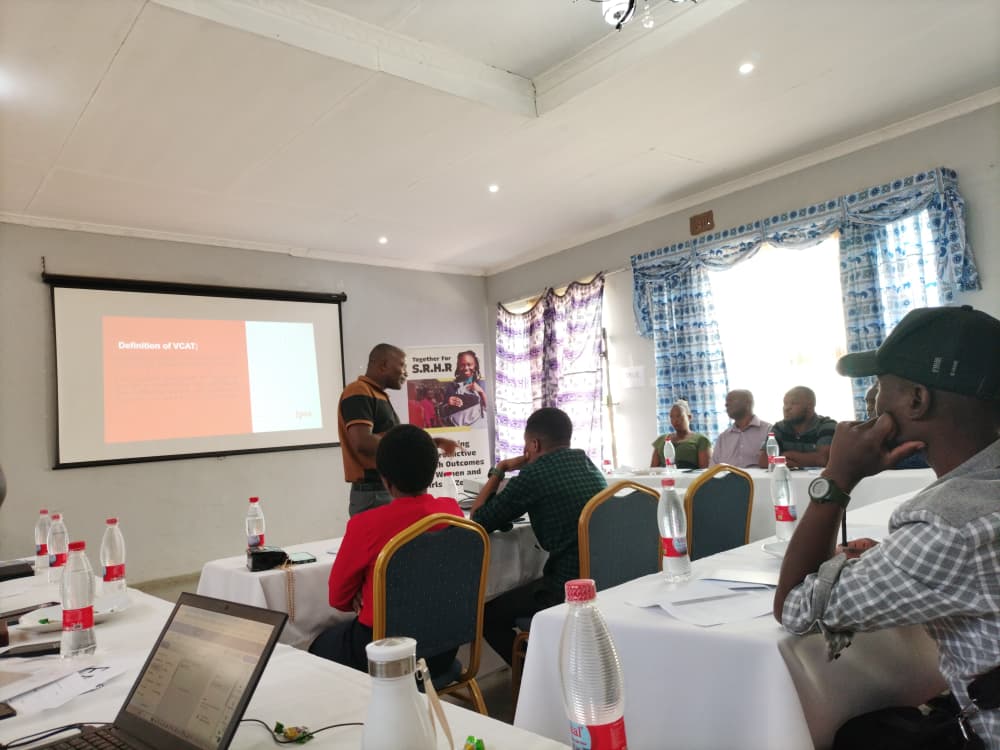
Tertiary students also played a vital role in the initiative, with two interface meetings engaging 60 students from four institutions. These sessions allowed students to interact directly with legal and health professionals, helping them understand SRHR laws and navigate sensitive issues such as abortion. This contributed to building a stronger youth-led advocacy culture within academic spaces. Throughout the project, important lessons were learned, including the critical value of using existing community structures, the effectiveness of youth-led engagement with traditional leaders, the importance of offline dialogue, and the power of media partnerships. The team also recognized gaps such as the need for more visibility materials for youth volunteers, as well as the continued hesitance among health and legal experts to openly discuss abortion.
Challenges such as limited SRHR commodity supplies, transport constraints, and professional restrictions were met with strategic solutions. These included scaling up peer-led outreach, enhancing youth-friendly services, addressing gender imbalances, strengthening journalist mentorship, institutionalising community bylaws, and expanding digital outreach channels. Overall, the first year of implementation demonstrated how collaboration, youth leadership, and community-driven strategies can reshape reproductive health outcomes. It marked a significant step forward in ensuring that young people, women, and communities in Zomba are better informed, better served, and better empowered to claim their SRHR. The momentum created through this partnership will continue to fuel advocacy, strengthen community structures, and inspire a generation of youth champions dedicated to safeguarding reproductive health and rights.