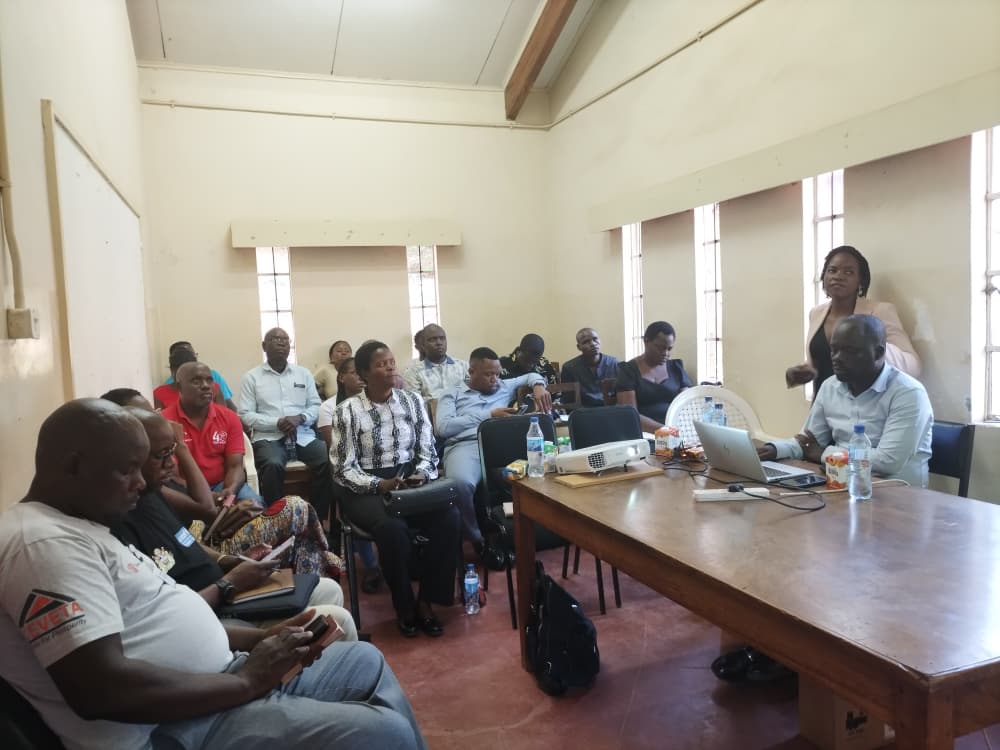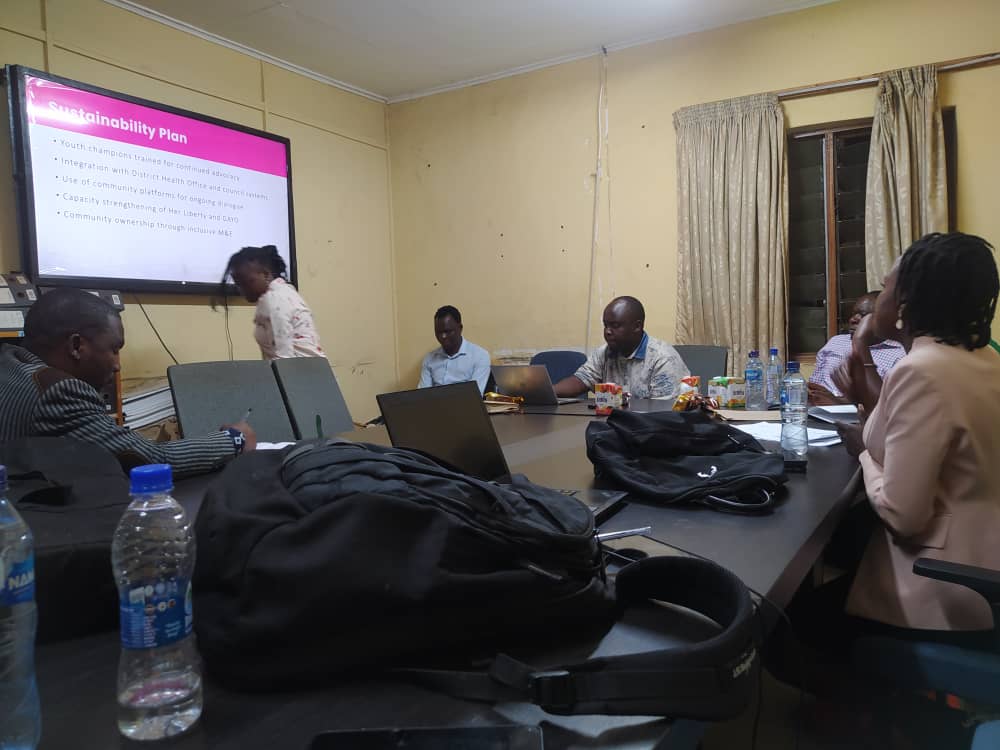
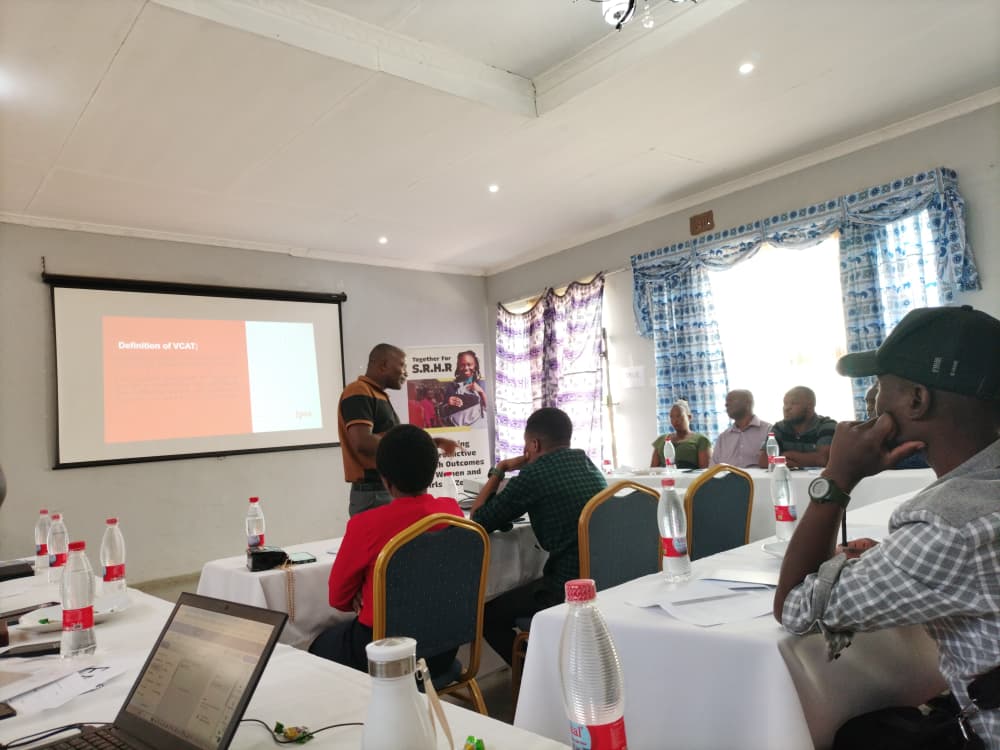
Girls Activist Youth Organisation (GAYO), in partnership with Her Liberty with support from Amplify Change’s PAMOJA Grant, has taken bold steps to strengthen Post-Abortion Care (PAC) services in Zomba District. On 25–26 February 2026, health providers from Domasi and Matawale catchment areas gathered for an intensive two-day training designed to reshape how PAC services are delivered making them safer, more compassionate, and more accessible to young women and girls.
Accessing PAC services in Zomba has long been a challenge. Many young women delay seeking care due to stigma, misinformation, and fear of judgment. By the time they reach health facilities, complications have often already developed. Worse still, they are sometimes met with hostility from providers whose personal perceptions about abortion overshadow their professional duty. This training directly confronted those barriers, creating space for providers to reflect, learn, and transform their approach to care.
The sessions were comprehensive and engaging, covering the Malawi PAC Guidelines, the SRHR legal framework including the Gender Equality Act, and practical exercises in Values Clarification and Attitude Transformation (VCAT). Providers also received hands-on training in accurate data recording and reporting using PAC registers, ensuring accountability and strengthening health systems. As one facilitator emphasized, “Accurate data is not just numbers it is the story of women’s lives, and it guides us to improve care where it is most needed.”
The training was participatory, using adult learning methodologies that encouraged reflection, peer learning, and practical application. Providers engaged in case studies, role plays, and facility-level action planning, ensuring that the lessons learned would translate into real change at the health facility level. Oversight was provided by the Zomba District Health Office, while trainers included experts from IPAS Malawi, CAC Coordinators, a legal expert from Nyale Institute, and even a Magistrate, who grounded discussions in justice and accountability.
By the end of the two days, providers were empowered to deliver rights-based, nonjudgmental PAC services. They gained confidence in applying clinical standards, strengthened their understanding of legal obligations, and committed to reducing stigma in their facilities. Facility-level action plans were developed to guide ongoing improvements, ensuring that this training was not a one-off event but the beginning of sustained transformation.
This initiative is more than a training it is a movement. A movement led by youth organizations like GAYO and Her Liberty, who are determined to dismantle barriers and ensure that every girl and young woman in Malawi can access the care she deserves. By bridging community advocacy with health facility transformation, the PAMOJA project is setting a bold example of how youth can lead systemic change in sexual and reproductive health.
As the project moves forward, trained providers will integrate their new skills into routine service delivery, while GAYO and Her Liberty continue to provide follow-up support through community engagement and monitoring. Together, they are building a future where PAC services are not only available but delivered with dignity, respect, and compassion.
This is the power of youth-led advocacy in action. It is the promise of a Malawi where health systems are stronger, communities are safer, and young women’s voices are at the center of change.