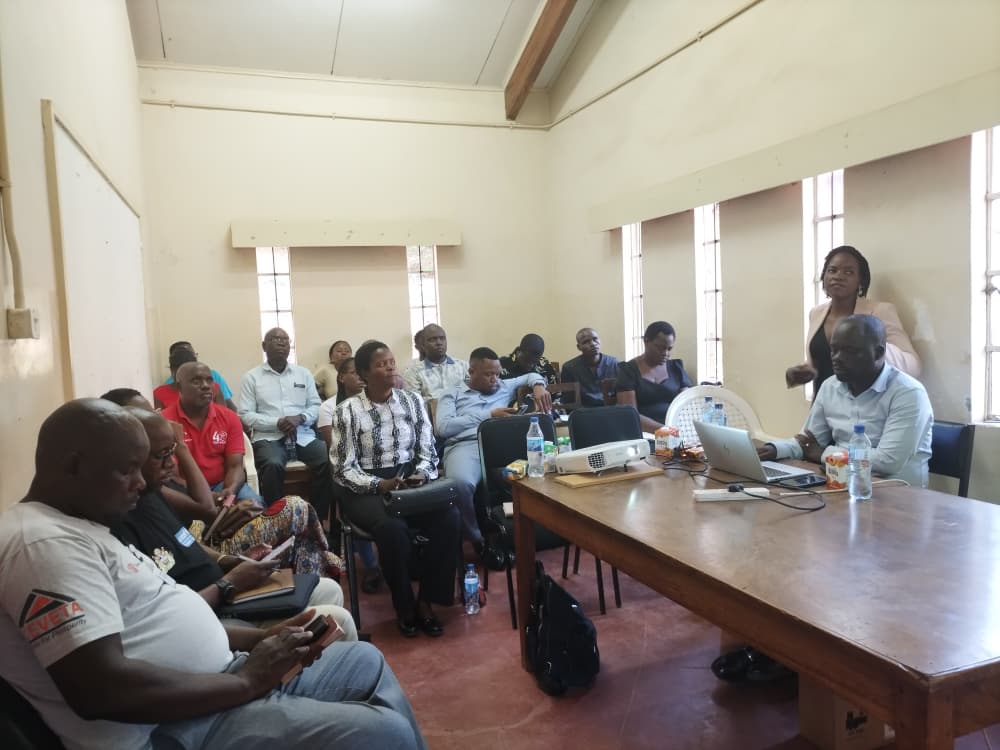
Across Malawi, conversations about reproductive health especially abortion often unfold in whispers, shadows, or not at all. Cultural and religious taboos have for years pushed young women and girls into silence, risk, and misinformation. But in Zomba, something different is taking shape a community-led movement that is challenging stigma, championing rights, and rewriting the narrative around reproductive justice.
With support from the Amplify Change Pamoja Grant, Her Liberty and GAYO have embarked on a bold 24-month initiative aimed at improving reproductive health outcomes for adolescent girls and young women (AGYW). Valued at 75,000 GBP, the project is set to directly benefit 6,000 girls aged 10–24 and indirectly reach more than 10,000 youth across Zomba. But beyond the numbers lies a bigger mission one rooted in dignity, safety, and human rights.
Recent developments in Malawi, including a landmark High Court ruling in 2025 affirming minors’ rights to abortion in cases of sexual violence, have sparked a wave of national discussion. As the country prepares for its upcoming Universal Periodic Review (UPR), policymakers and advocates are revisiting their commitments to SRHR. This moment calls for evidence, clarity, and voices that push the conversation forward. That is exactly where this project steps in.
At the heart of the initiative is a simple but powerful goal: help communities understand what the law truly says about abortion and empower them to make safer, informed decisions. Many Malawians still rely on incomplete or inaccurate information about legal abortion provisions. Even health workers themselves sometimes hesitate to act due to uncertainty. Meanwhile, the draft Termination of Pregnancy (TOP) Bill outlines expanded legal grounds such as rape, incest, mental health risks, or severe fetal anomalies that the public rarely hears about.
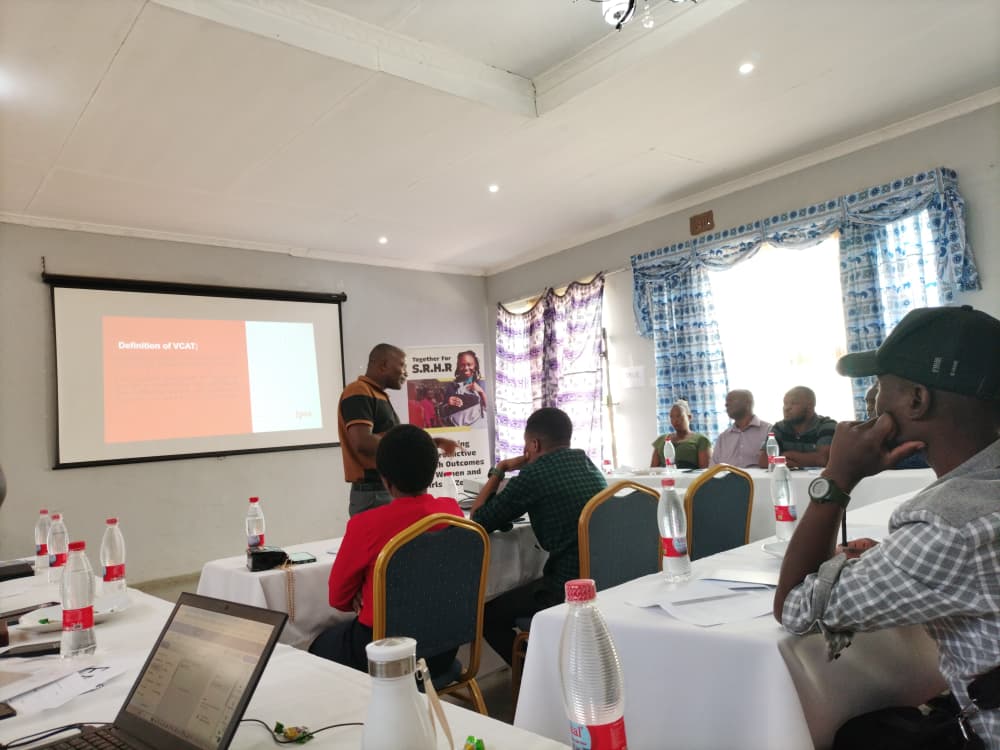
By training 40 peer educators, each responsible for conducting 24 community awareness sessions, the project aims to bring legal SRHR knowledge directly to the people who need it most. These youth will become frontline educators, demystifying the law, explaining Comprehensive Abortion Care (CAC), and helping girls understand safe pathways to care.
Yet awareness alone is not enough. Malawi’s Ministry of Health already recognizes Comprehensive Abortion Care (CAC) as an essential SRHR service, but many health facilities still face gaps in clinical skills, confidentiality practices, and post-abortion contraception. For this reason, the project includes training 34 health providers on national PAC guidelines, alongside developing Chichewa information materials that communities can easily read and use. Quarterly SRHR outreach sessions in T/A Malemia will ensure young women not only understand the law but also get the services, referrals, and Counseling they deserve.
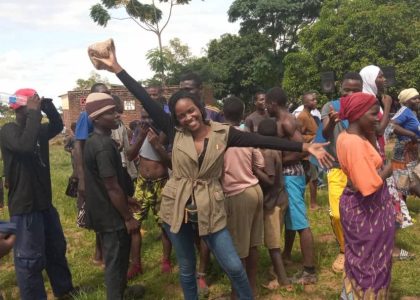
To shift social norms, the project is intentionally building spaces where abortion can be discussed openly and without fear. Community dialogues, youth champion engagement, traditional leader conversations, and values-based reflection exercises will soften long-standing resistance and reduce stigma. When trusted leaders speak honestly about legal rights and the dangers of unsafe abortion, communities begin to change. Slowly, the silence breaks.
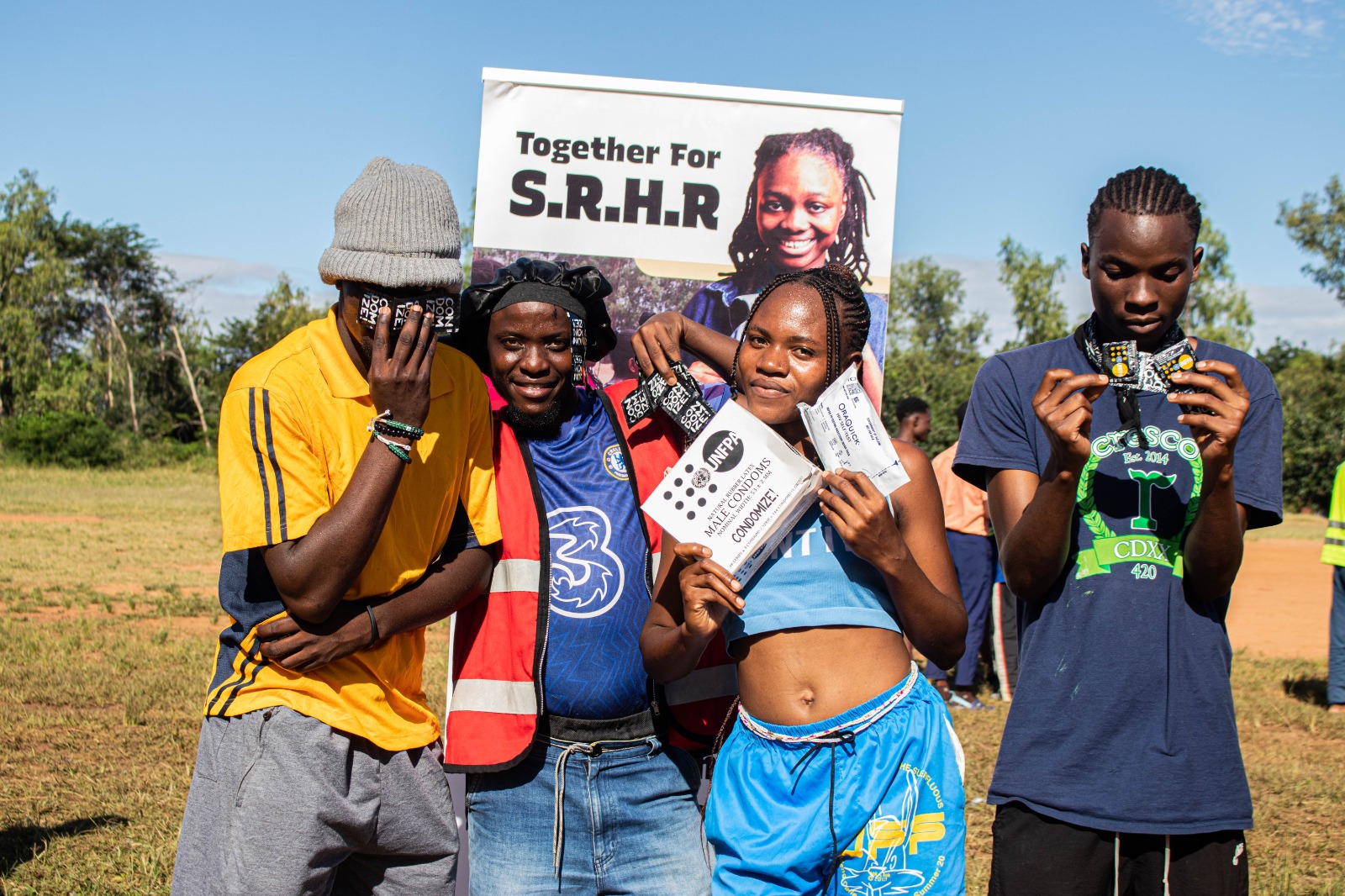
Beyond local action, the project also sets its sights on national policy progress. Evidence will be gathered on community perceptions, service availability, and the real impact of unsafe abortion. Visibility materials like T-shirts and banners will help mobilize communities, while outcome harvesting will track how narratives evolve. All this will feed into a compelling policy brief designed to push Malawi closer to modern, humane abortion laws aligned with its human-rights obligations under instruments like CEDAW and the Maputo Protocol.
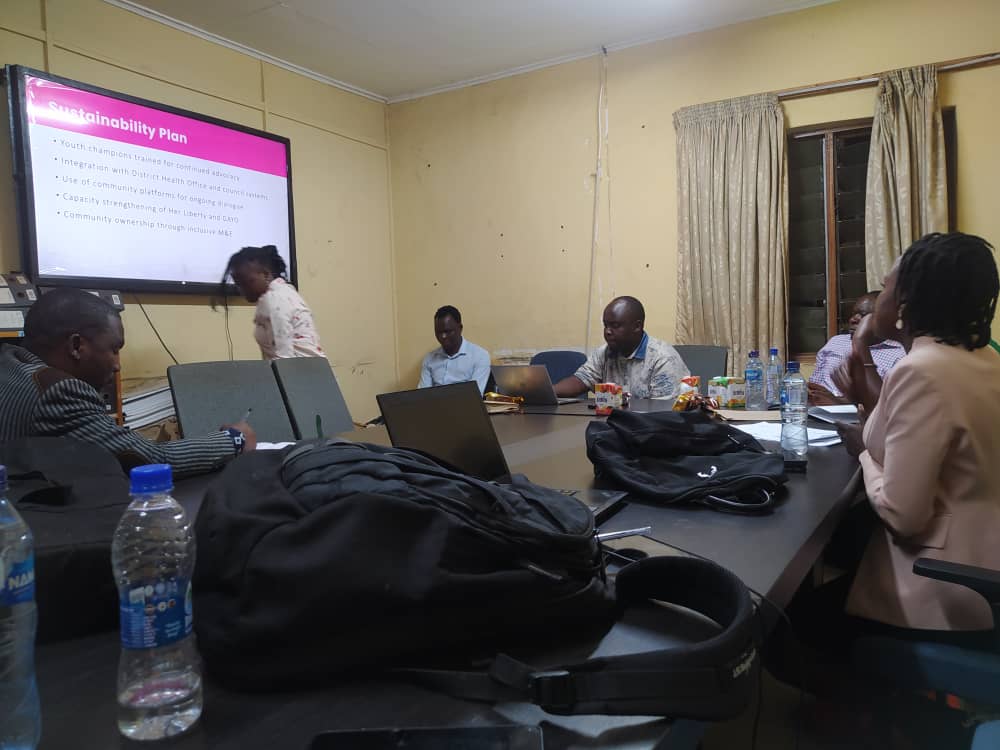
The initiative’s strength lies in its partnerships: the Zomba District Health Office, district council, private clinics, media, faith leaders, tertiary institutions, youth champions, and other PAMOJA grantees are all playing essential roles. This broad coalition is ensuring that progress is not temporary, but rooted in community ownership. Through monthly reviews, feedback forums, and joint supervision, the project is embedding itself within district systems, guaranteeing sustainability long after the grant period ends.
Of course, challenges remain. Deep-rooted stigma, limited legal literacy among providers, and cultural resistance persist. But with strong mitigation strategies like values-based reflection with leaders, legal training for health workers, and champion-led dialogue the project is steadily navigating these obstacles. And its alignment with national SRHR policies, Youth-Friendly Health Services strategies, and district health plans ensures that its impact will contribute to Malawi’s broader goals.
In a country where young women continue to face life-threatening risks from unsafe abortion, this project represents bold, inclusive action. It is community-rooted, evidence-driven, and firmly committed to a future where every girl has access to safe care, accurate information, and the dignity to make informed choices.