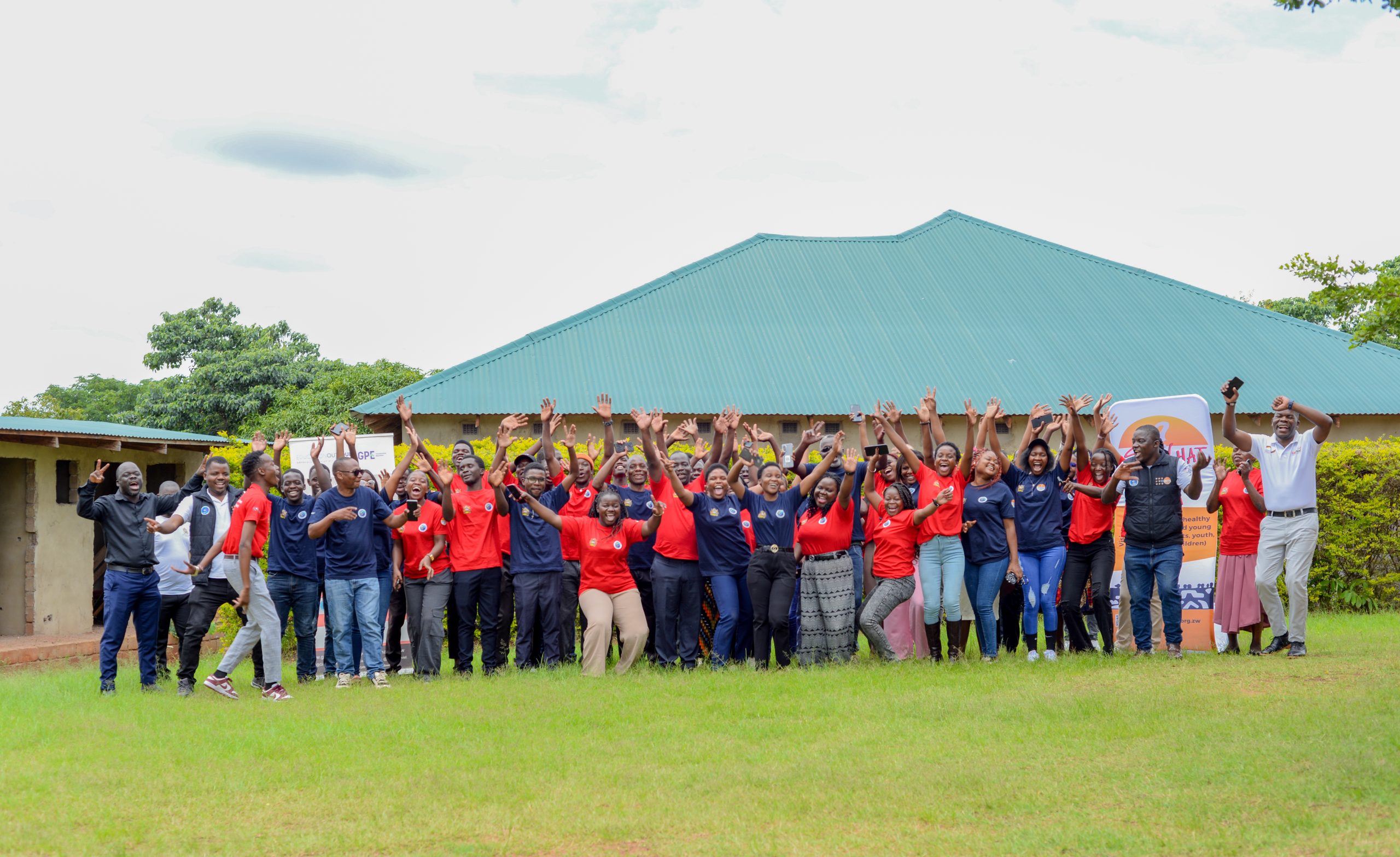
At a time when Malawi’s education system stands at a critical crossroads, Girls Activist Youth Organisation (GAYO)convened a powerful Youth Conference today bringing together youth leaders, girls, teachers, education specialists, civil society organisations (CSOs), government representatives, and development stakeholders with one shared purpose: to strengthen youth-led advocacy for inclusive education and accelerate progress on Sustainable Development Goals (SDG) 4 and 17.
This was more than just a meeting. It was a bold declaration that young people are not only the future of education reform in Malawi they are its present drivers.
The conference officially opened with a compelling address by GAYO’s Executive Director, Mr. Richard Batch, who shared the organisation’s remarkable nine-year journey of resilience and youth-driven impact.
In his reflection, Mr. Batch emphasized that GAYO’s survival and relevance have not been fueled by donor funding, but by unwavering commitment, volunteerism, and the energy of young people who believe in social justice and gender equality.
“From the very beginning, the energy has always been there and it is still here today,” he shared, reminding participants and stakeholders that youth-led movements can thrive even in resource-constrained environments when passion and purpose lead the way.
For donors and partners, this journey demonstrates institutional credibility, sustainability, and strong grassroots ownership key ingredients for long-term impact.
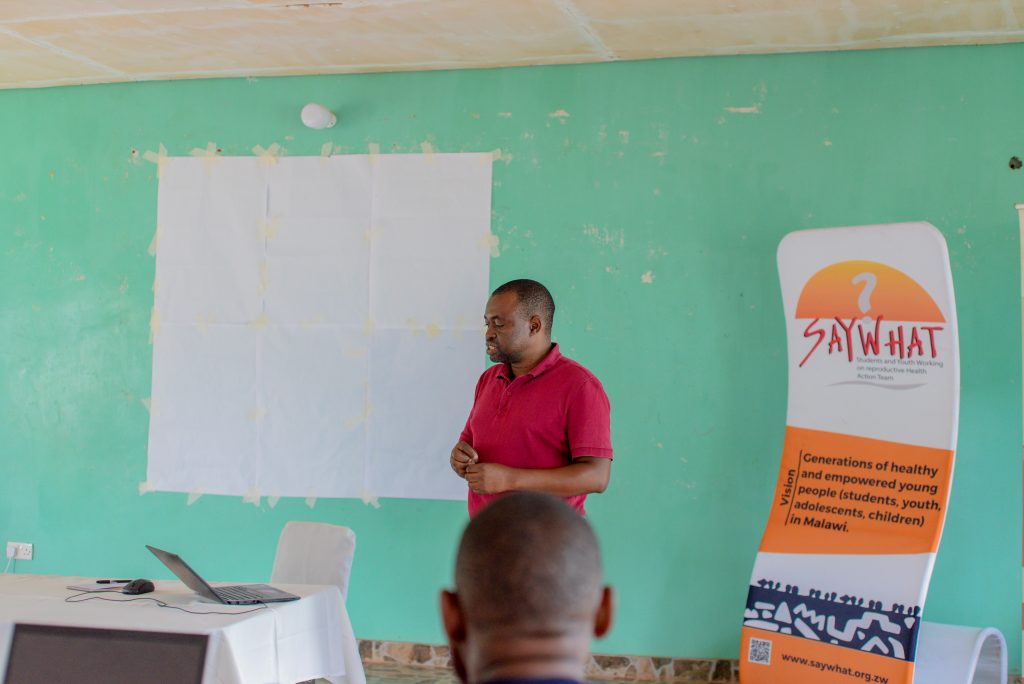
A highlight of the conference was a deeply informative session on “Understanding SDG 4 Progress and Gaps in Malawi”, delivered by Mr. Makayiko Kaimba, Education Specialist from World Vision Malawi.
Mr. Kaimba provided a comprehensive overview of Malawi’s progress toward SDG 4, acknowledging gains in access to education and policy frameworks promoting inclusivity. However, he also drew attention to persistent systemic challenges, including
Weak implementation of inclusive education policies
Overstretched education resources and infrastructure
Inequities affecting girls and learners with special needs
Limited coordination between national and local actors
Girls and young women, in particular, were given a platform to voice their experiences and priorities, reinforcing GAYO’s core mission of advancing gender-responsive and inclusive development.
This Youth Conference represents a scalable, high-impact model of youth-led engagement—one that aligns directly with donor priorities on education, gender equality, governance, and youth empowerment.
With strategic investment, GAYO can
Expand youth education and policy literacy programs
Strengthen grassroots advocacy for inclusive education
Support youth-led monitoring of SDG 4 implementation
Build stronger partnerships across government and civil society
Investing in GAYO is investing in sustainable, locally driven change.
As Malawi works toward achieving SDG 4 by 2030, platforms like this conference demonstrate that when youth are informed, organized, and supported, they become powerful catalysts for inclusive and equitable education systems.
Together—with committed youth, strong partnerships, and visionary support—we can close the implementation gap and ensure no learner is left behind.